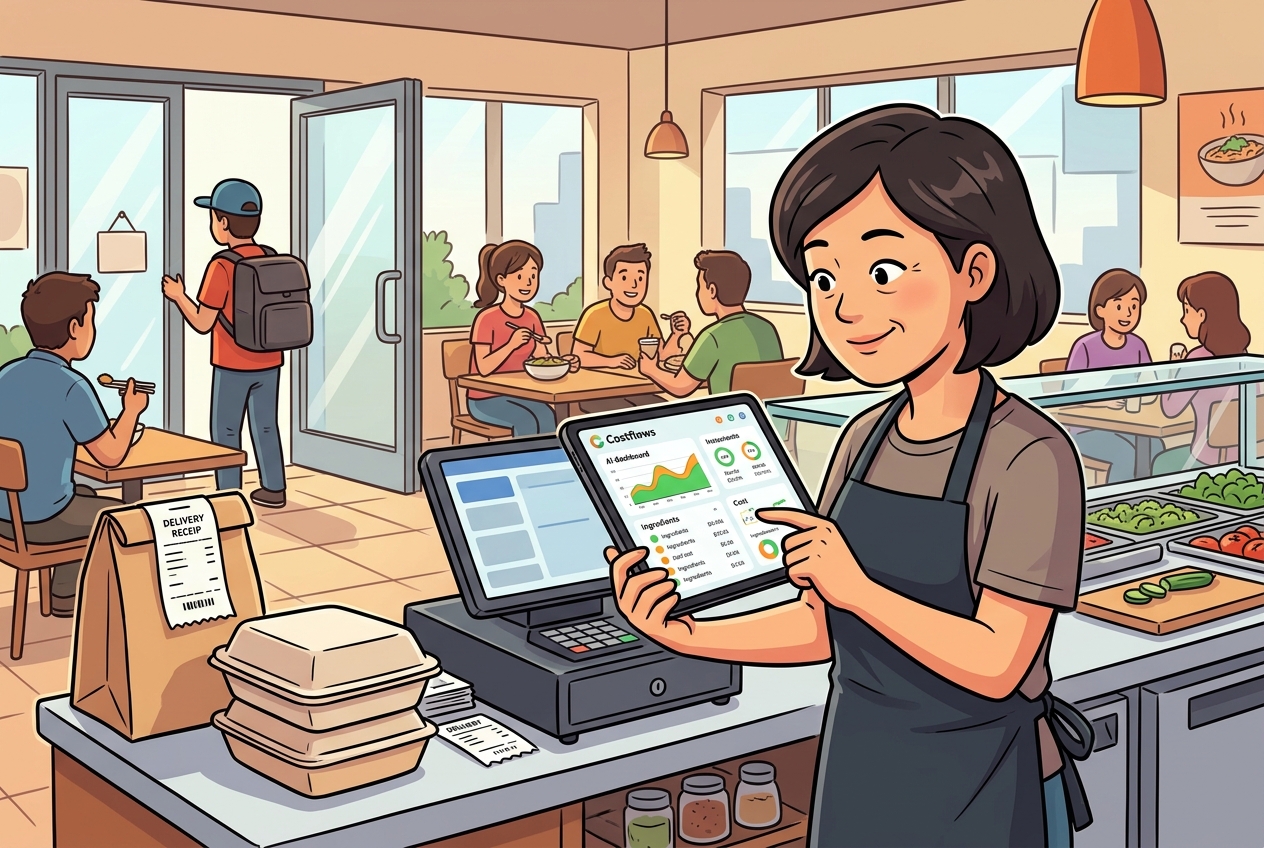
One franchisee complains that beef prices just skyrocketed, while another across town claims their margins look completely fine. When HQ digs into the numbers, they discover the truth: store A is stuck with an outdated supplier quote, and store B hasn't logged their latest delivery invoices yet. Sound familiar? This isn't just bad admin work—it’s what happens when restaurant operations don't track daily data properly. When purchasing, inventory, waste, sales, and accounting live in separate silos, HQ only sees delayed monthly reports while real profits slip away unchecked.
The bigger your franchise grows, the more expensive it gets to manage by gut feeling. You don't need another messy Excel workbook. What you really need is consistent data discipline across every single location—recording, approving, and analyzing numbers with the exact same benchmark. That is how you turn 'one great store manager' into a repeatable, scalable business model.
The Real Hurdle in Franchise Data: You Don’t Lack Reports, You Lack Timeliness
Most multi-unit operators already have POS systems, accounting tools, and vendor chat groups. Yet, the information remains completely disconnected. Crew members order via WhatsApp, paper delivery dockets pile up on kitchen clipboards, store managers scramble at month-end to tally invoices, and the bookkeeper manually keys in stacks of paper receipts. Even with everyone working hard, the data arrives late, incomplete, and impossible to verify.
When that happens, HQ can't answer basic operational questions: How much did chicken breast go up this week? Which branch has actual food costs running higher than theoretical cost? Is the food waste due to spoilage, over-prepping, or missed records? Are different stores paying different prices to the same vendor? If you only get answers thirty days later, management is just playing defense and making excuses.
Franchising also balances a delicate tension: standardization versus local flexibility. HQ should set master recipes, approved ingredients, and price standards. But individual locations might face delivery shortages, localized foot traffic swings, or regional distributor constraints. Good operational discipline doesn't ban every exception—it ensures every exception has a clear reason, proper approval, and an audit trail for later review.
Source Control: Turn Every Paper Slip into Actionable Operational Data
Real cost control starts on the receiving dock, not in monthly financial slides. Purchase orders, delivery dockets, supplier invoices, return slips, and waste logs contain the raw heartbeat of your cost structure: vendor names, item specs, pack sizes, quantities received, unit costs, dates, and store locations.
If your front-line managers still type these in by hand, delays and mistakes are guaranteed. A far better workflow: have store teams snap a quick photo of the invoice the moment deliveries hit the kitchen back door. Let AI turn that image into structured line-item data and automatically cross-check it against POs and agreed pricing. Even with handwritten notes, messy formats, or emergency substitutions, an intelligent workflow captures it instantly while keeping audit trails clean.
With Costflows Intelligence, restaurant staff snap photos of delivery slips, count stock, log waste, and place orders directly from their mobile app. Built specifically for demanding kitchen environments, Costflows AI captures line-item details in seconds across multiple languages—including English, Traditional Chinese, Japanese, and Thai. This eliminates tedious manual entry so HQ can see actual receiving costs on day one, without waiting until the end of the month.
Smarter Purchasing: Replace Rogue Spending with Transparent Approvals
Cost leaks in restaurant chains rarely come from bad intent; they happen because purchasing rules are vague. A store manager runs out of cream cheese, panics, and buys retail down the street. A line cook makes emergency off-contract calls. Nobody notices until the bill lands weeks later. Without a seamless loop connecting ordering, approval, and receiving, unapproved spending gets buried in top-line expenses.
The fix is setting smart approval tiers based on spend thresholds and variance. Routine replenishment from contracted vendors should be fast and autonomous. But if an order exceeds the weekly budget, introduces an unapproved substitute, or shows unexpected price hikes, the system should flag it for regional manager or HQ approval. You're not slowing down kitchens—you're making sure emergencies don't quietly bleed your margins.
Managing vendors isn’t just about hunting for the lowest catalog price either. HQ needs visibility into fill rates, on-time deliveries, return frequencies, and store-by-store actual prices paid. A supplier charging 2% more might deliver consistent quality and zero short-ships, saving you far more in prep waste and emergency runs. Vendor decisions should rest on overall cost and reliability, not just a static price sheet.
Connecting the Dots: Match Inventory, Recipes, and POS Sales
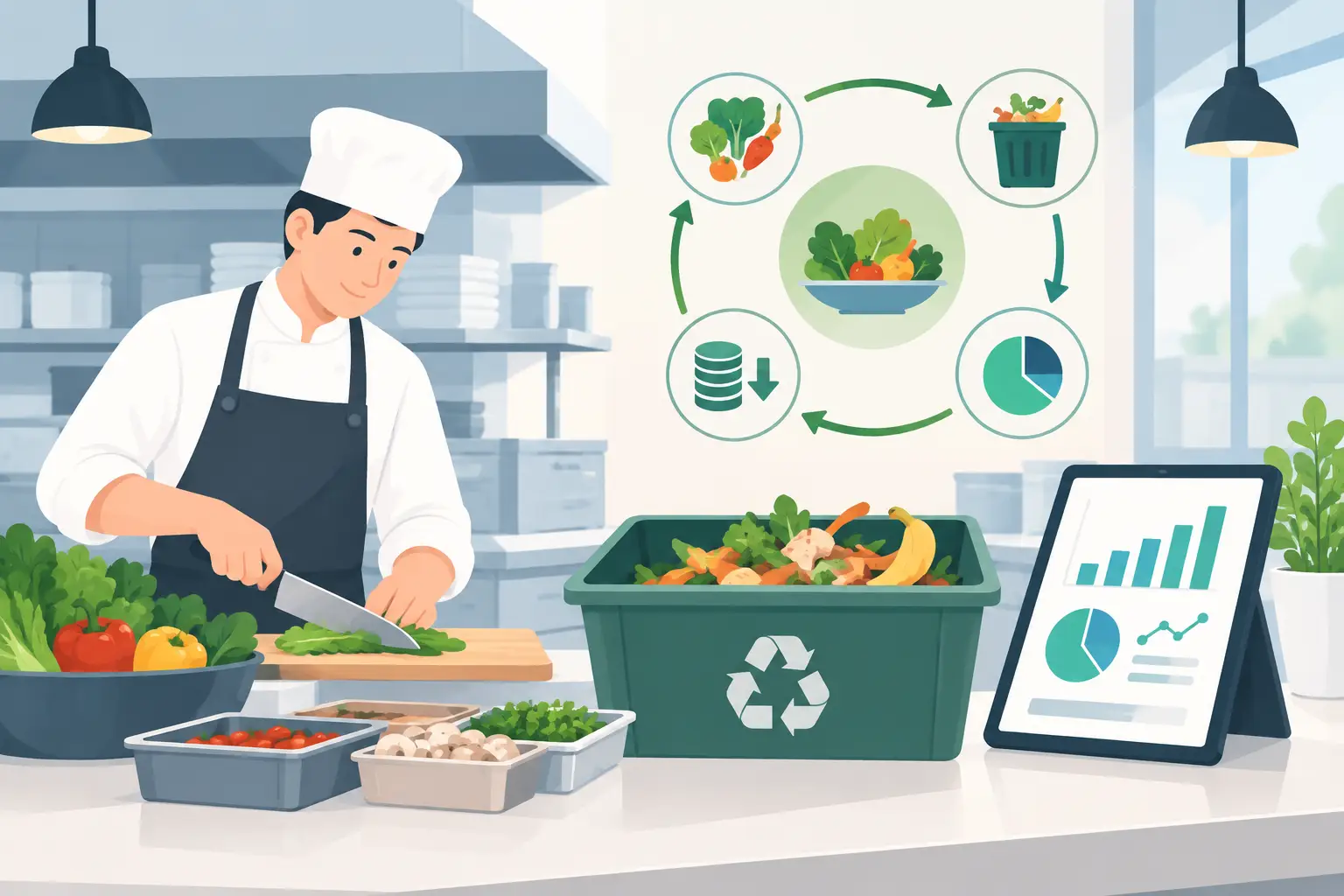
Purchasing data tells you what you bought, but it doesn't show where food went. To find out where margin is slipping, you have to run disciplined inventory counts, track waste and branch transfers, and connect standard recipe costs directly to POS sales data.
Say you sell a signature burger. Based on your standard recipe, the system calculates exact theoretical amounts of beef, brioche, and cheddar. Compare that against starting stock, incoming deliveries, transfers, actual stocktakes, and logged waste, and you immediately spot the variance between theoretical and actual cost. Variance doesn't instantly mean theft—it could be heavy-handed portioning, untracked prep scrap, or unit conversion errors. The point is: data narrows your search so managers know exactly what to fix.
Counting frequency should match item value and perishability. High-cost proteins and liquor warrant daily or shift-level spot checks; dry pantry goods work fine on weekly or bi-weekly schedules. Forcing stores to count every dry spice jar daily sounds rigorous, but it only leads to pencil-whipping. A realistic counting cadence that staff actually stick to is what delivers true control.
HQ Management: Act on Daily Alerts, Not Just Monthly Post-Mortems
Once delivery receipts, on-hand inventory, recipe costs, and POS sales align, operators don't have to wait for accounting's month-end books to see if a store is bleeding cash. Through Costflows’ daily estimated P&L, daily gross sales, dynamic food costs, logged waste, and key operating expenses appear on one clean dashboard, instantly alerting you when numbers fall out of line.
Track the metrics that drive immediate operational fixes. If food cost percentage spikes, is it due to promo discounts shifting product mix, or did wholesale supplier prices surge? If prep waste is rising, is it fresh greens or central kitchen prep items? Did your new menu item sell briskly but unintentionally drag down overall margin? With daily clarity, store managers, chefs, procurement, and finance can finally collaborate off the exact same reality.
Watch out for misaligned incentives as well. If you evaluate store managers solely on food cost percentages, they might serve questionable stock to avoid waste write-offs, or under-prep and lose peak rush sales. Sustainable management tracks profit dollars, 86'd item frequency, waste ratios, and guest feedback together—tightening costs without sacrificing food quality or customer experience.
Roll Out with Pilot Stores: Build Repeatable Operational Blueprints
You don’t have to overhaul your entire operation overnight. Pick one or two cooperative flagship locations first. Standardize supplier codes, item naming conventions, photo capture habits, waste categories, and count sheets, then build out core recipe costs. Once the data quality is solid, expand outward by syncing with POS, cloud accounting like QuickBooks or Xero, and central kitchen transfers.
Keep roles crystal clear: store teams capture honest, daily receiving and counts; area supervisors review red flags and coach teams; procurement negotiates contracts and monitors vendor price drift; finance reconciles payables without manual typing; and the central kitchen manages production and internal transfers. Different teams use different views, but everyone works from one single source of truth.
When every delivery docket, count sheet, and waste entry is captured the day it happens, franchise executives don't have to wait until month-end to figure out what went wrong. You can fix leaks while they're small. Building daily data habits into kitchen routines is the most reliable way to safeguard profit margins as you scale your brand.
Frequently Asked Questions (FAQ)
Q1: We already use a POS system. Why do we need dedicated restaurant cost management software?
A POS system tracks front-of-house sales transactions—it tells you what was ordered, not what raw ingredients actually cost or where stock disappeared. Without automated invoice capture and real-time recipe costing, HQ remains blind to distributor price spikes, kitchen waste, and actual branch margins until long after the month closes.
Q2: Our vendors send messy, handwritten, multilingual paper invoices. Can AI really read them accurately?
Yes. Costflows Intelligence is specifically engineered for high-pressure kitchen operations. Our specialized restaurant AI models read messy handwritten receipts, diverse vendor invoice formats, and multiple languages—including English, Chinese, Japanese, and Thai—extracting line-item quantities, pack sizes, and prices with high accuracy and built-in audit checks.
Q3: Won't adding another software tool burden busy kitchen staff and store managers?
Quite the opposite. Traditional manual invoice entry and endless Excel reconciliations are what frustrate staff. Costflows streamlines the job into seconds: staff simply take a photo of the delivery slip on their phone, tap to record counts, and get back to the floor. The system automatically syncs with QuickBooks or Xero, taking admin headaches off both store managers and accounting teams.
.png)

訂閱最新消息
不要錯過任何餐飲的資訊