With the Delivery Platform Act officially taking effect in 2026, delivery costs per order are projected to surge by 30% to 50%. For restaurant owners, this brings a tough dilemma: if you pass the cost onto diners, studies show that just a 5% price bump could push 34.1% of consumers to stop ordering delivery altogether, wiping out billions in market value. But if you absorb the hike yourself, your margins vanish overnight.
Here is the reality: winning in this new market isn't just about complaining about platform commissions—it’s about rethinking your order mix and taking total control of your food costs.
Let's break down what these new rules mean for your bottom line, and how modern operators are using Costflows to unlock hidden profits and protect their margins.
The Real Threats to Your Bottom Line
1. Relying Too Heavily on a Single Third-Party Platform
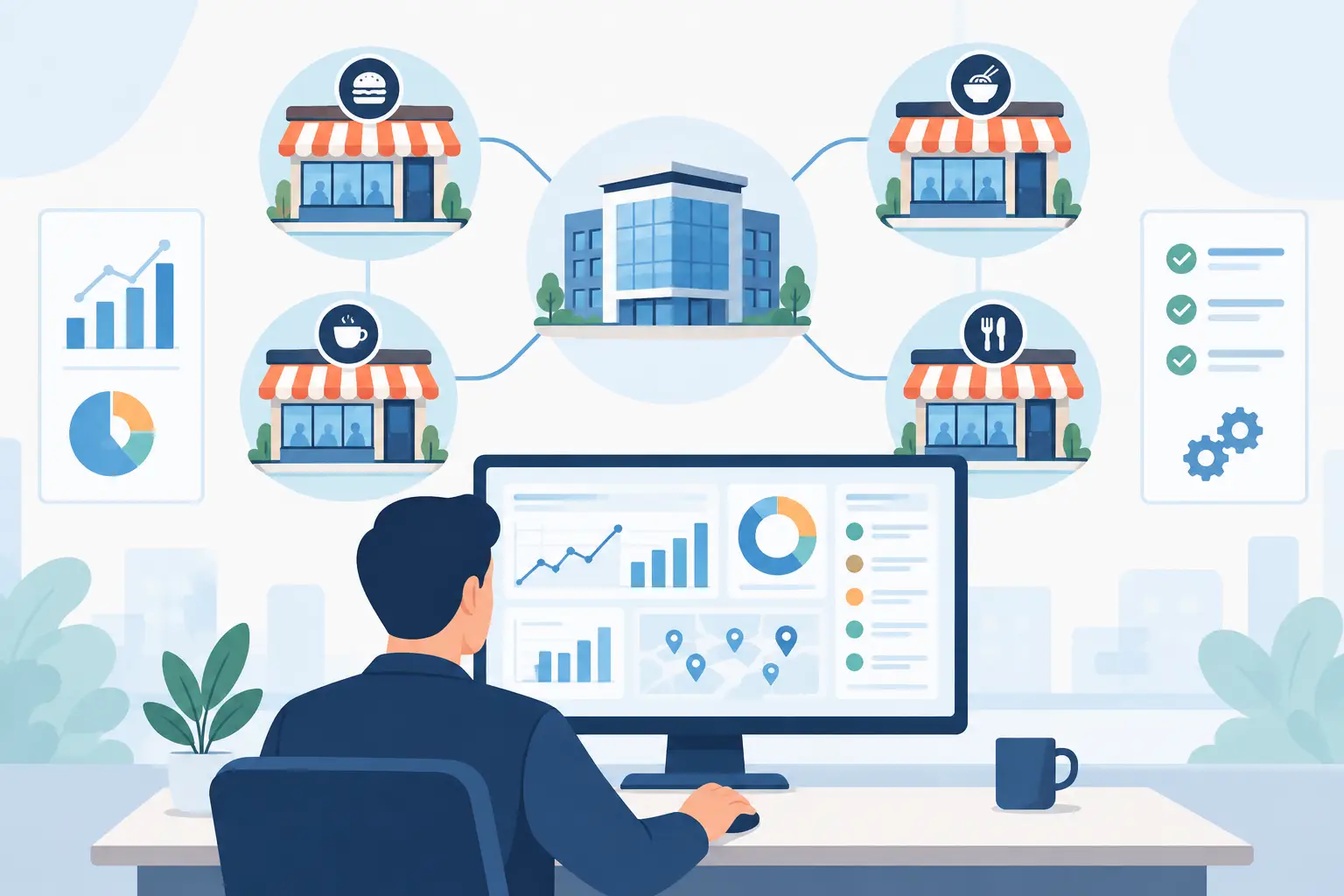
During the delivery boom, third-party apps were a lifeline. But if 70% or more of your orders come through one channel, you're at the mercy of their algorithms, fee structures, and promotional rules. Worse yet, delivery orders carry extra baggage—special packaging, tamper-evident seals, sauce ramekins—that quietly eat into your profits if you don’t track them closely.
2. Operating with "Invisible" Food Costs
Running a kitchen is chaotic, and cost tracking often gets left behind:
- Invoices get scribbled on paper or texted over messaging apps.
- Price changes from vendors go unnoticed until weeks later.
- Bookkeepers manually reconcile receipts at the end of the month.
By the time your monthly P&L shows that meat, cooking oil, or take-out boxes went up in price, the damage is already done. You can't fix margins you can't see in real time.
3 Actionable Strategies to Safeguard Your Margins
Strategy 1: Build Your Own Direct Ordering & Takeaway Channels
Don’t treat delivery apps as your entire business—use them as an expensive top-of-funnel customer acquisition tool. Encourage first-time diners to order direct next time via your own branded loyalty program, online ordering, or self-pickup discounts.
Strategy 2: Engineer Delivery-Specific, High-Margin Menus
Stop putting your entire dine-in menu onto delivery apps. Instead:
- Promote high-margin, travel-friendly dishes: Focus on items with low ingredient prep loss and strong profit margins.
- Bundle meals strategically: Package mains with high-margin sides and drinks to boost Average Order Value (AOV), diluting fixed delivery costs.
- Make fragile, low-margin items dine-in only: Keep dishes with expensive custom packaging exclusively for in-store guests.
Strategy 3: Automate Procurement to Find Hidden Cash Inside Your Kitchen
The quickest way to offset a 3% to 5% commission hike isn't raising menu prices—it's recovering 3% to 5% from internal waste, unmonitored vendor price jumps, and inventory loss.
How Costflows Helps You Outsmart Rising Delivery Fees
Generic tech doesn’t survive in a high-stress kitchen. That’s why Costflows was built specifically for the day-to-day realities of food and beverage operations:
1. AI-Powered Invoice Automation: Line-Item Accuracy in Seconds
No more manual data entry. Simply snap a photo of your paper bills or upload digital invoices. Costflows’ AI captures line-item details instantly—supporting English, Traditional Chinese, Japanese, Thai, and more. When a supplier quietly raises the price of chicken or takeout containers, you get flagged immediately.
2. Standardized Recipe Costing: Know Your True Profit After Fees
Costflows dynamically ties real-time ingredient and packaging prices directly to your recipes. You can simulate scenarios—like a 30% or 35% delivery commission—to see exactly how much you net on every dish. Spot money-losing items instantly and re-engineer your menu with confidence.
3. Real-Time Inventory & Food Waste Prevention
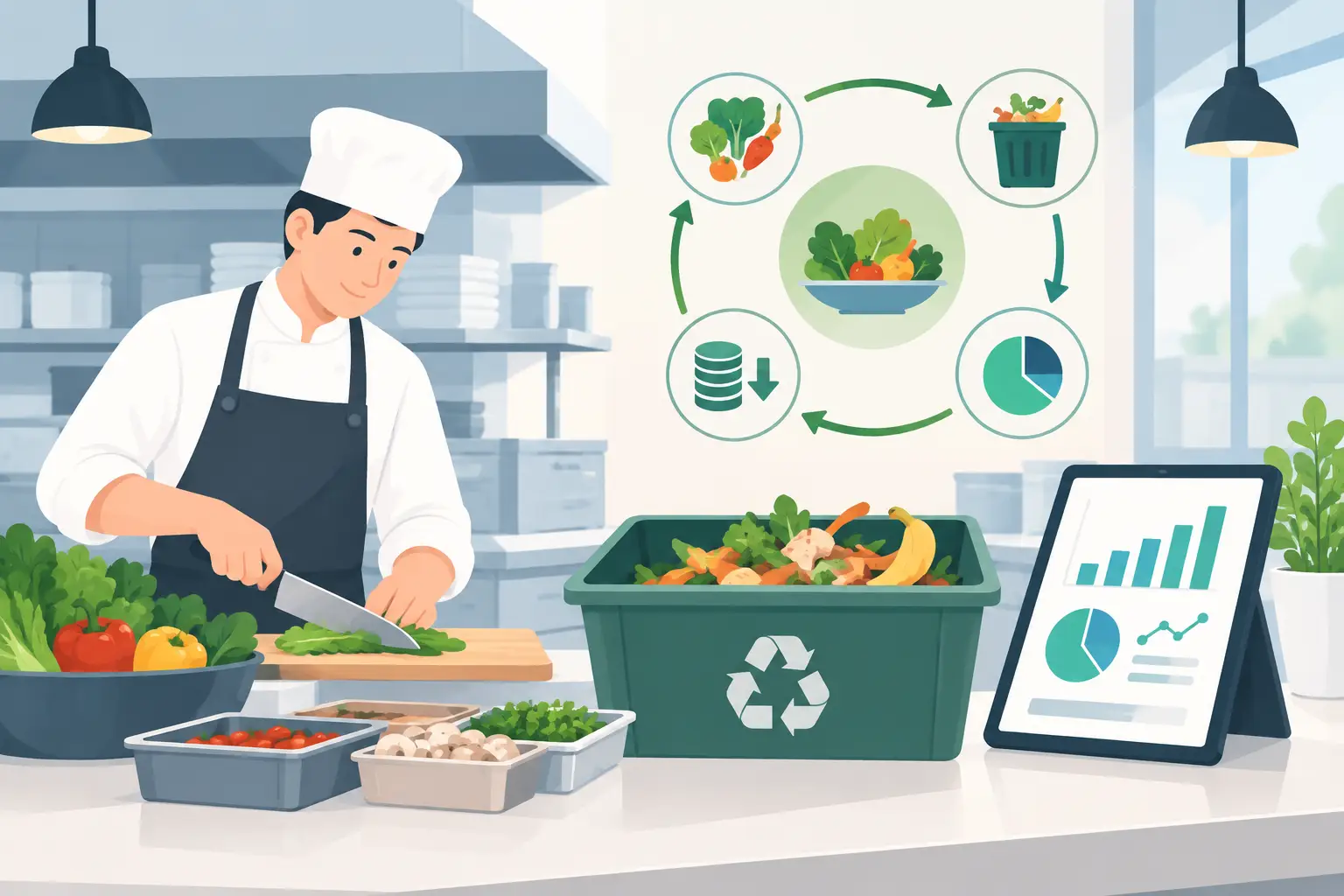
By matching stock levels against standardized recipes, Costflows pinpoints kitchen waste and inventory discrepancies. You stop over-ordering, keep cash in the bank, and eliminate spoiled ingredients before they hit the trash can.
4. Seamless QuickBooks & Xero Sync: Your Central Command Hub
Costflows seamlessly bridges the gap between your kitchen, purchasing, and back-office accounting software (QuickBooks, Xero, etc.). Owners can check branch profitability and financial health straight from their phone—anytime, anywhere.
💡 Frequently Asked Questions (Q&A)
Q1: What is the biggest impact of the 2026 delivery regulations on restaurants?
A: Delivery costs per order are estimated to rise by 30% to 50%. Since raising prices risks losing over a third of delivery customers, restaurant operators must diversify their order channels and tighten internal food cost control.
Q2: How do I know if my restaurant is losing money on delivery orders?
A: You need to calculate the true Cost of Goods Sold (COGS), which must include raw ingredients, specialized takeout packaging, and platform commissions. Costflows calculates this automatically per recipe using live supplier prices so you can see your true net margin.
Q3: How does Costflows help restaurants offset rising delivery commissions?
A: Costflows helps operators recover 3% to 5% in lost margin from within their operations by catching unauthorized vendor price hikes, eliminating food waste, and pinpointing underpriced menu items.
Q4: Does Costflows require staff to manually type in vendor invoices?
A: No. Costflows uses advanced AI OCR to scan and extract line-item details from paper receipts and invoices in seconds, supporting multiple languages including English, Chinese, Japanese, and Thai.
Q5: Can Costflows integrate with my current accounting software?
A: Yes. Costflows connects directly with industry-standard accounting systems like QuickBooks and Xero, synchronizing accounts payable, inventory, and cost reporting without double-entry.
.png)

訂閱最新消息
不要錯過任何餐飲的資訊