You close the books at the end of the month, and even though sales were solid, your gross margin is down by two or three percentage points. In the restaurant industry, this is rarely caused by a single major crisis. The real headache is that costs don't usually spike all at once; instead, they slowly leak away day by day across purchasing, invoice entry, stocktakes, waste, prep, and reconciliation. This restaurant cost leak checklist isn’t about asking you to build another Excel sheet. It’s designed to help you audit your operations step-by-step, find where you're losing money, and decide what needs immediate action versus systemic fixes.
Many operators think cost control is just about squeezing suppliers for lower prices. In reality, the most common black holes don't live in your contract quotes—they live in broken operational workflows. Invoices get scattered across WhatsApp, paper slips, and staff phones. Buying prices change without managers noticing. Stocktakes happen, but nobody reconciles them against actual sales. The head chef tweaks portion sizes, but recipe costs never get updated. The problem isn't a lack of data; it’s that the data is too slow, too fragmented, and too hard to verify.
Start with Your Purchasing Workflow
If you want to find issues quickly, stop staring at your P&L statement and audit your buying habits instead. Purchasing is where most cost fluctuations begin. If your orders, deliveries, invoices, and accounting systems don't share the same logic, your reports will only get more confusing over time.
The first audit point: Who can place orders, and who can edit them? If frontline staff, managers, central kitchens, and buyers are placing orders with different vendors without a central log, you will end up with duplicate orders, emergency runs, and inconsistent pricing. This chaos directly drives up food costs and leads to overstocking.
The second audit point: Are supplier prices being monitored in real-time? Most restaurants aren't lacking bargaining power; they just react too slowly to price shifts. If prices for beef, oil, seafood, or dairy spike today and your accounting team only flags it at the end of the month, the window to renegotiate has already closed. Seeing historical prices, supplier quotes, and trends instantly makes a massive difference to your bottom line.
The third audit point: How fast are invoices entered? If your purchase orders, delivery notes, and bills rely on manual data entry, typos are guaranteed. The real cost isn't just a typo; it's that management gets actual spend data two weeks late. At that point, you aren't controlling costs—you're just writing post-mortems.
Inventory Management Requires Comparison, Not Just Counting
Many restaurants do stocktakes every month, yet their food costs remain inaccurate. This is because counting only confirms quantities; it doesn't reconcile them against actual usage. The true value of stock management isn't just knowing what is in the walk-in—it's understanding why stock went missing and whether that loss was reasonable.
Categorize Your Stock Deviations
A missing bag of cheese could be due to normal sales, over-portioning, expired spoilage, unrecorded staff meals, or short deliveries. If your system only tracks the final balance without logging waste, transfers, and stock variances, you are left guessing.
The practical approach is to categorize your variances. Why was an item wasted? Which location was it transferred to? Did the central kitchen deliver on time? Was there a record of a customer refund? You don't need to track every gram, but you must distinguish acceptable waste from operational slippage.
Reconcile Theoretical vs. Actual Costs
If your POS shows that a signature dish sold incredibly well this week, you should theoretically know exactly how much of each ingredient was used. If actual stock levels dropped significantly faster than that theoretical usage, the problem isn't sales—it's portion control, prep waste, or internal processes.
A common pitfall is looking only at your overall food cost percentage. If the overall number looks okay, you might ignore individual leaks. What you actually need to audit are the high-variance, high-cost items: meat, seafood, oil, sauces, and expensive semi-finished prep. These are the items that quietly erode your gross margin.
Menu Margins Are Dynamic, Not Static
Some menu items seem to sell well but actually yield disappointing profits. Often, the issue isn't low pricing—it’s that recipe costs are outdated. When supplier prices fluctuate, prep specs shift, or central kitchen costs change, your margins shrink if your recipe cards aren't dynamically updated.
Outdated Recipe Costs Lead to Slow Decisions
You might think a dish has a 68% gross margin, but that calculation might be three months old. If dairy, eggs, or meat prices have risen since then and you're still using old costs, the more you promote that dish or set menu, the more profit you lose.
This is why menu analysis is a continuous process, not a one-time project. Knowing which dishes to reprice, which recipes to modify, or which high-volume items are actually low-margin requires live purchasing data. Otherwise, you might be actively promoting a loss leader.
Fragmented Data is a Hidden Cost
Many owners tolerate messy invoice systems because they view them as a minor back-office issue. In reality, this is where significant money is lost. When invoices are scattered across paper piles, WhatsApp, emails, and Excel, different departments end up with different numbers. This doesn't just increase admin work—it makes your entire cost data unreliable.
The manager has an order log, the chef looks at kitchen usage, accounting looks at invoices, and the owner looks at the monthly P&L. If the numbers don't match, nobody can answer the basic question: Are our food costs too high today?
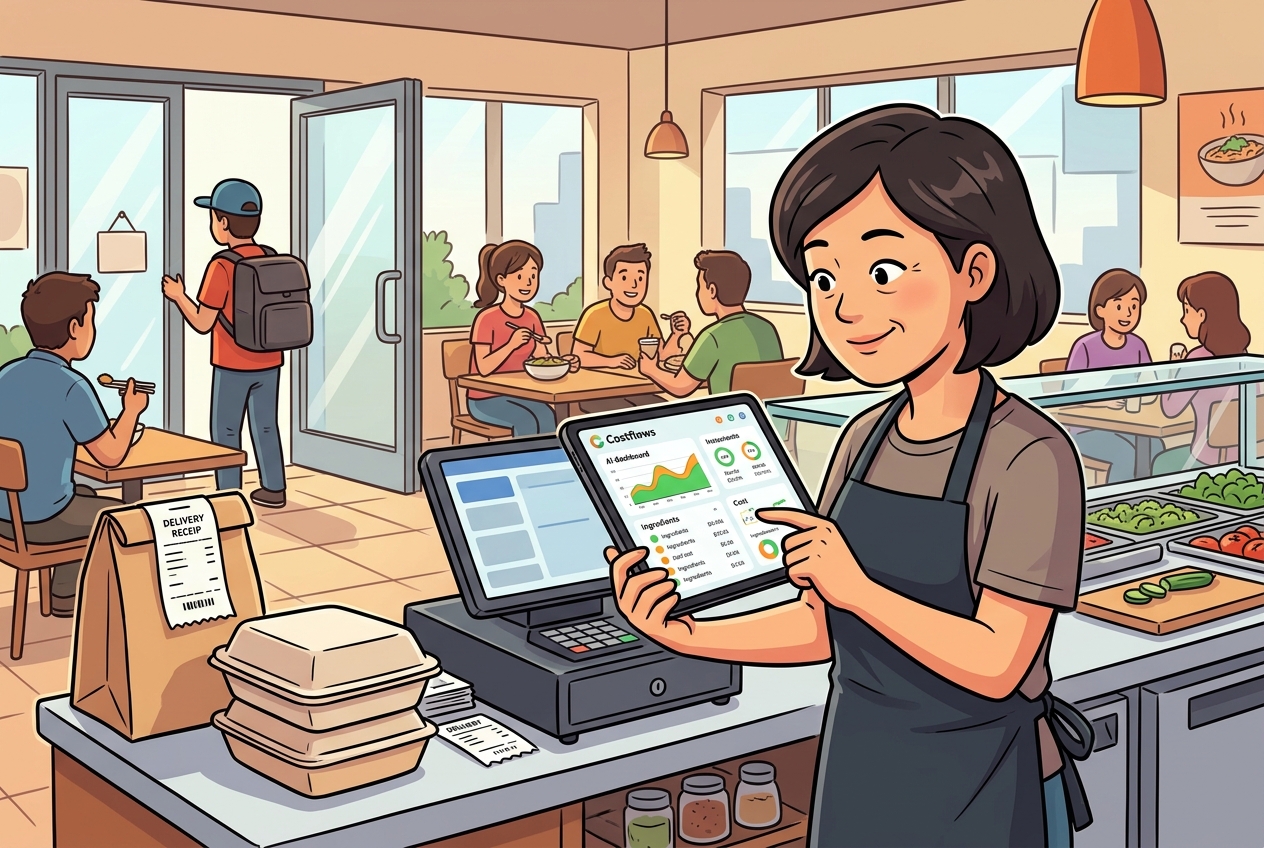
This is why modern teams unify invoice capture, stocktakes, purchasing, and reporting. Solutions like Costflows focus on using AI to extract invoice data. The value isn't just about saving admin hours—it's about standardizing the most error-prone step in the process. When invoices are digitized instantly and linked to suppliers, inventory, recipes, and P&L reports, management can make decisions in real-time rather than writing post-mortems at month-end.
How to Use This Cost Leak Checklist
If you want to start today, don’t try to fix everything at once. Prioritize by impact. Start with your high-frequency, high-volume, and multi-person workflows, as these are where continuous losses happen.
Ask yourself these questions: Do we see supplier price changes within 48 hours? Are invoices digitized on the day of delivery? Can we trace the root cause of inventory variances? Are waste logs categorized? Do recipe costs update automatically with new purchase prices? Can we view POS sales, stock usage, and purchasing on a single screen?
If the answer to any of these is "no," your cost issues are likely systemic, not occasional. Simply telling your team to "be more careful" rarely works. Without standard workflows, you won't get consistent results.
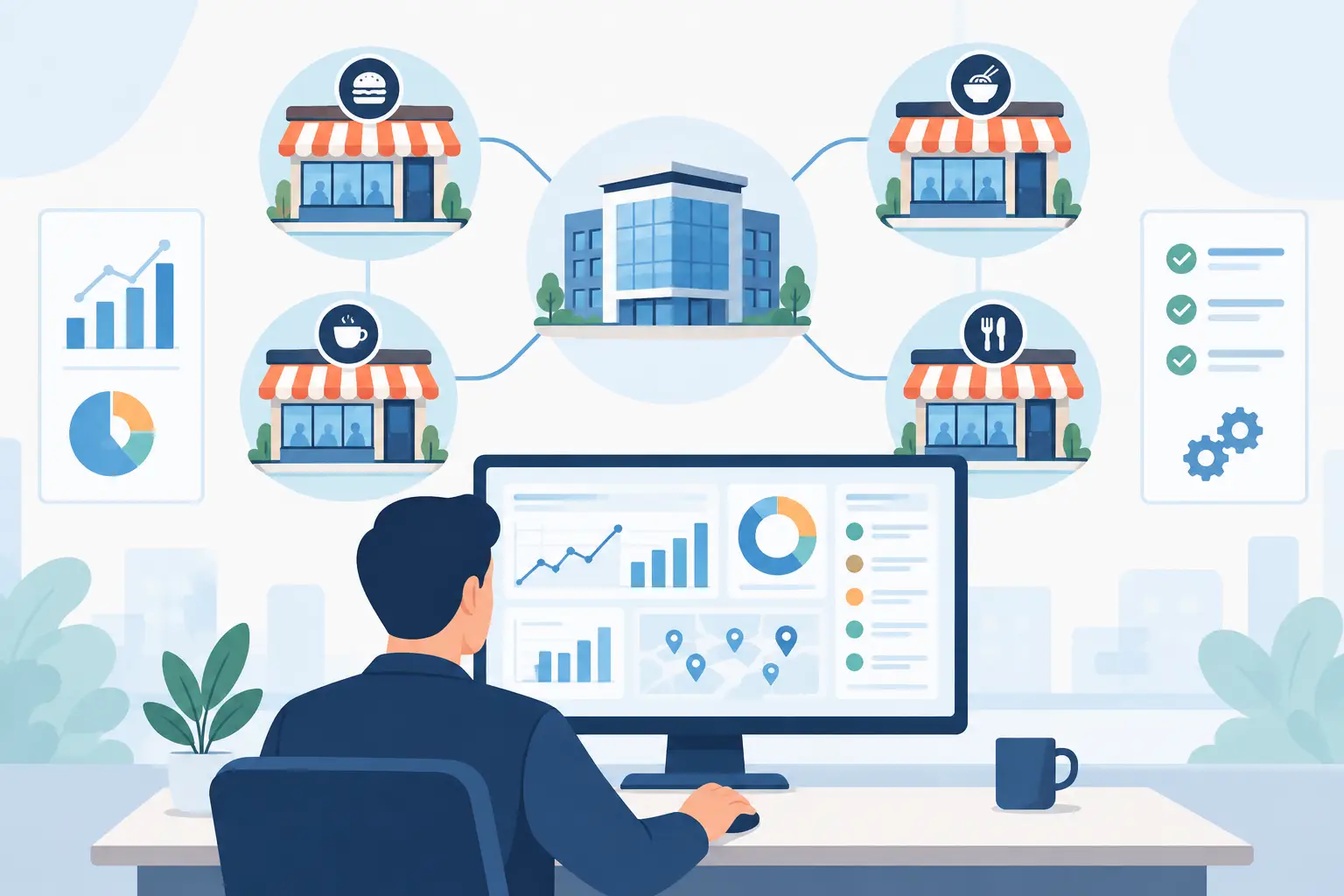
Your priorities will also depend on your scale. A single-location restaurant should focus on invoice speed, supplier tracking, and basic stocktakes. Multi-unit brands, on the other hand, must prioritize kitchen transfers, central kitchen dispatches, store consistency, and daily P&L visibility.
Cost control is effective when you catch deviations while they are still small. When your purchasing, inventory, prep, and accounting teams speak the same data language, margins become manageable, and profitability is protected by design, not luck.
Restaurant Cost Control Q&A
Q1: How can restaurants identify hidden cost leaks in their operations?
Hidden leaks usually happen in broken workflows—like short deliveries that go unnoticed, unrecorded kitchen waste, or supplier price hikes that aren't flagged. By unifying purchasing, inventory, and recipes in a single platform, restaurants can bridge these gaps and spot discrepancies instantly.
Q2: Why is a physical stocktake alone not enough to control food costs?
Counting stock only tells you what is left in the kitchen, but it doesn't tell you why it's gone. Without comparing actual stock levels against POS sales data (theoretical usage) and tracking categorized waste, you cannot determine if stock was lost to over-portioning, theft, or spoilage.
Q3: How do outdated recipes hurt a restaurant's profitability?
Menu margins are dynamic. If ingredient prices rise but your recipe cards remain static, your theoretical food costs will be inaccurate. This leads to poor pricing decisions and promotion strategies where you might be heavily marketing dishes that are no longer profitable.
.png)

訂閱最新消息
不要錯過任何餐飲的資訊