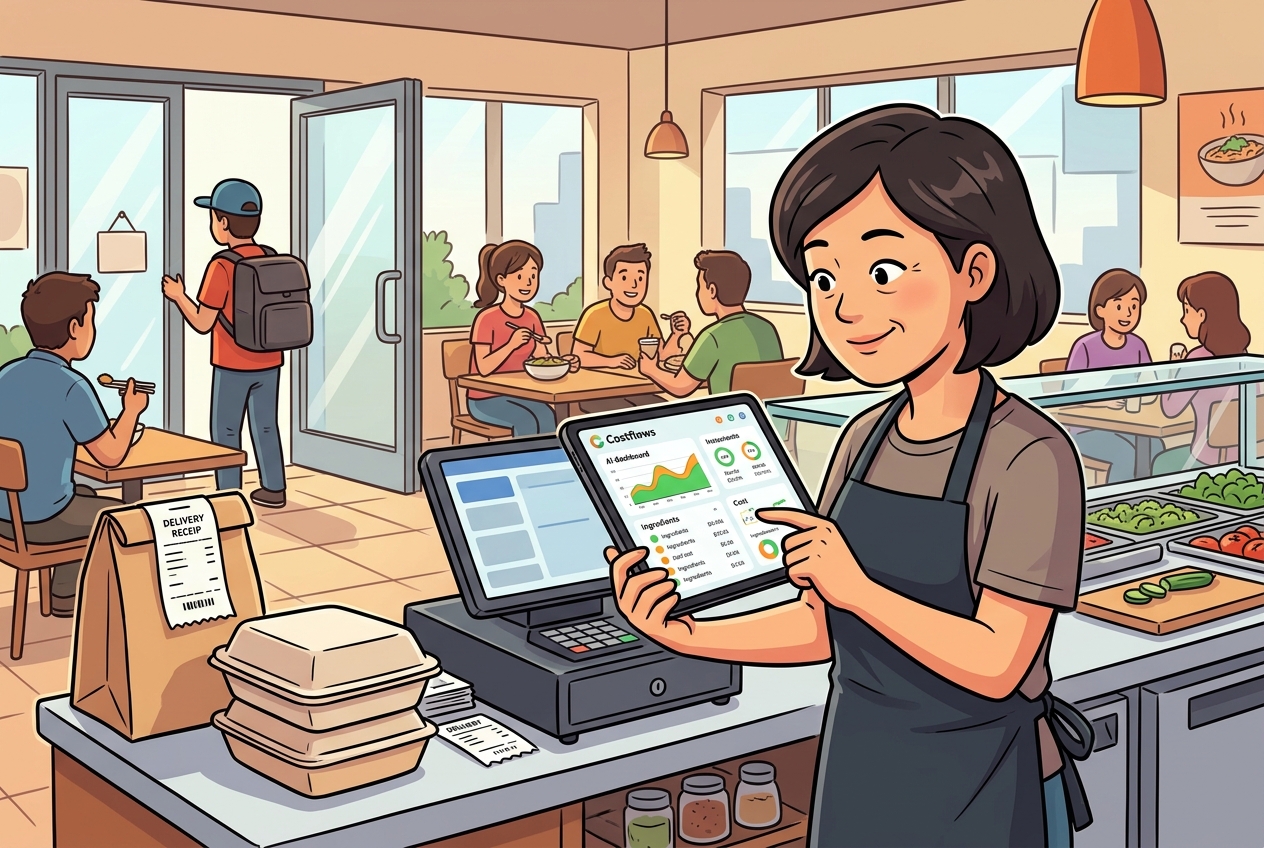
A last-minute order comes in. The head chef pings you on WhatsApp saying you're short on seafood for tonight. The manager gives a verbal OK. Meanwhile, procurement orders a backup from a different supplier. By the end of the month, accounting reconciles the books only to find out you overpaid for that batch—and one invoice was never even entered into the system. This isn't just a mistake by a single employee. It happens because your restaurant procurement and approval process lacks structure, with critical data scattered across chat apps, paper scraps, and Excel. The result? Your cost control is always one step behind.
For restaurants, procurement is about much more than just getting goods in the door. What actually drives your gross margin is whether each order matches actual inventory needs, whether approvals align with budgets, whether invoices are recorded instantly, and whether price fluctuations are caught in real time. When processes are loose, the front-of-house might feel faster, but your back-office ends up spending hours cleaning up the mess. In the end, it’s your bottom line that takes the hit, not just your admin hours.
Why Restaurant Procurement and Approval Workflows Constantly Spiral Out of Control
Most issues don't stem from a lack of approvals, but rather from approvals being too casual. Restaurants move fast, and restocking needs are always urgent. A quick verbal "yes" or a thumbs-up emoji in a group chat becomes the default sign-off. It feels flexible on the surface, but in reality, you lose all traceability: who requested it, who approved it, why it was approved, and whether the final delivery actually matched the order.
Another common bottleneck is overlapping roles. A store manager places an order, the head chef adjusts quantities, procurement swaps the supplier, and accounting doesn’t see the invoice until the end of the month. When requests, approvals, receiving, and billing are handled by different people without a unified workflow linking them, mistakes don't show up immediately. Instead, they pile up as overspending, duplicate orders, incorrect inventory levels, and endless supplier disputes.
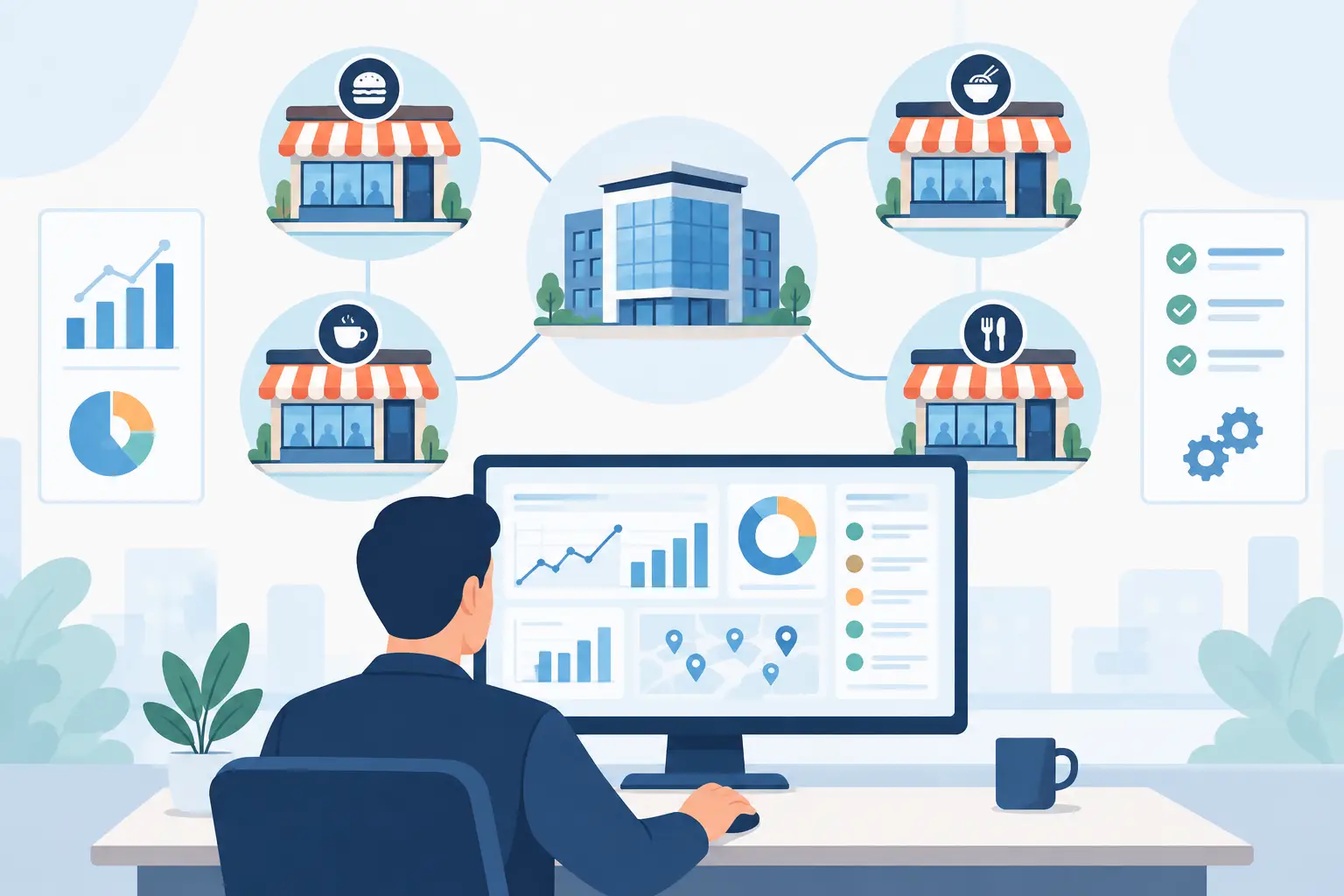
If you run multiple locations, a central kitchen, or a franchise system, these problems scale up. Corporate wants to control prices, locations want speed, the central kitchen wants steady supply, and finance wants clean books. Without an actionable, measurable, and integrated workflow, every store ends up doing its own thing, making data comparison impossible.
What a Practical Restaurant Procurement Workflow Actually Looks Like
An effective workflow isn’t about creating endless red tape; it’s about standardizing high-risk steps and automating low-risk ones. For the restaurant industry, a practical design usually covers five steps: requisition, budget matching, tiered approvals, receiving verification, and instant invoice logging and analysis.
1. Requisitions Must Have a Clear Source, Not Just Verbal Requests
Purchase requests should ideally be kicked off directly from a mobile app or system linked to real-time stock levels, menu sales, central kitchen shipments, or store inventory counts. This ensures every request is backed by data, not gut feeling. For instance, if a meat item falls below its safety stock, the system should trigger a reorder alert automatically, rather than waiting for the dinner rush to start before realizing you are out.
The most critical part here isn't a fancy UI—it's completeness. Items, specifications, quantities, required dates, preferred suppliers, and last purchase prices should all populate automatically. When the data is complete, approvals actually make sense.
2. Approvals Should Look at Context, Not Just the Dollar Amount
Many restaurants use a simple "anything over $X needs approval" rule. While not wrong, it’s not enough. Procurement risk isn't just about the total cost; it includes abnormal unit prices, unfamiliar suppliers, emergency add-ons, out-of-budget categories, or duplicate orders of the same item within a short window.
That is why mature restaurant systems use multi-tiered rules. For example, daily produce replenishment can be approved by the store manager. An emergency seafood order that goes over budget escalates to the regional manager. A first-time transaction with a new supplier requires eyes from procurement or finance. This keeps operations moving fast while keeping risk managed, instead of bottlenecking everything with one person.
3. Receiving Verification Must Match Requisitions and Purchase Orders
Approval isn't the finish line. The real leaks often happen at the receiving dock. Frontline staff must record whether the delivered quantity, specs, and quality match what was actually ordered. Shortages, wrong items, sudden price hikes, or split shipments must be logged immediately, or your end-of-month reconciliation will be a nightmare.
If receiving, purchase orders, and supplier invoices don't match, even the strictest approval workflow won't prevent cash leaks at the payment stage. This "3-way matching" doesn't need to be as complex as an enterprise setup for mid-sized restaurants, but you must maintain basic consistency.
4. Invoice Logging Must Be Instant, Not Delayed to Month-End
One of the biggest hidden costs for restaurants is manual paper pushing. Invoices sit in drawers, staff snap photos and text them to group chats, and accountants spend the end of the month chasing down missing papers. By the time it's sorted, weeks have passed, leaving management completely blind to actual, real-time expenses.
When invoices can be snapped, parsed, and converted into structured data instantly, and then synced directly into your cost, purchasing, inventory, and AP workflows, management can finally monitor spending daily. This changes everything. You no longer find out next month that you overpaid this month; you see price shifts the moment they happen.
Key Design Principles for Your Restaurant Approval Workflows
A workflow isn't safer just because it has more hurdles. Make it too heavy, and frontline teams will bypass it. Make it too loose, and costs will spiral. A practical approach is tiering workflows by product category, order value, location type, and staff roles.
High-fluctuation, perishable items like fresh produce should have tighter monitoring because their prices change quickly and directly impact your food margins. Meanwhile, stable items like packaging or cleaning supplies can use simplified approval rules. Multi-unit brands can establish corporate frameworks, letting stores order quickly within preset suppliers and price bands, escalating only when thresholds are crossed.
Another vital point is maintaining an audit trail. Every action—who requested, who edited, who approved, when it was delivered, and whether unit prices changed—must be logged. This isn’t about pointing fingers. With high staff turnover in hospitality, without records, it is impossible to trace issues back to their source. These logs are your best defense during supplier disputes, staff transitions, or franchise audits.
Replacing Excel with System Workflows: It's About More Than Just Speed
The issue with Excel isn't that it's outdated—it's that it only logs final results, not the process. You might get a neat sheet at the end of the month, but you can't see how many times an order was edited, who approved the changes, why you went over budget, or why a supplier suddenly raised their price. For an industry that requires real-time decision-making, lagged data isn't enough.
Moving your workflows to the cloud means frontline teams can use mobile devices to request, scan, count, and receive goods. With the backend syncing instantly, your procurement team, managers, head chefs, and accountants are all working off a single source of truth. Real cross-department collaboration happens organically, rather than everyone working in silos and leaving finance to pick up the pieces.
If the platform goes a step further by supporting AI-driven OCR data extraction, price tracking, vendor performance metrics, and direct integration with your accounting software, approval workflows cease to be just an admin chore. Instead, they link directly to cost control and margin analysis—the exact insights restaurant owners actually need.
Look at specialized platforms like Costflows. The goal isn't just to digitize files, but to systematize the most time-consuming and error-prone parts of invoicing and bookkeeping. When invoices are read automatically—even handwritten delivery slips—frontline staff stop wasting operation hours on data entry. Meanwhile, management gets instant visibility into cost trends across every store, supplier, and ingredient.
When to Tighten Controls and When to Delegate
Not every restaurant needs the same depth of approval. A single-location spot with a limited menu and hands-on owners can run a leaner setup, though keeping a digital paper trail is still crucial. However, if you are scaling multiple locations, handling high purchasing volumes, or managing stock transfers between central kitchens and outlets, setting up tiered permissions and standardized rules is non-negotiable.
You also have to accept a reality: emergency orders will always happen. The issue isn't the emergency itself, but whether you log it retroactively and analyze the anomalies. If teams constantly bypass the rules because "the dinner rush is starting," your workflows will quickly break down. A resilient system allows for exceptions but never allows traceless ones.
Great restaurant procurement isn't down to a single detail-oriented buyer. It's the result of a system designed to make errors hard to commit, anomalies easy to spot, and every penny fully accounted for. Once your approval process becomes an actionable, measurable, and integrated daily habit, you can finally control your food costs proactively—rather than chasing reports at month-end wondering where your profits went.
.png)

訂閱最新消息
不要錯過任何餐飲的資訊