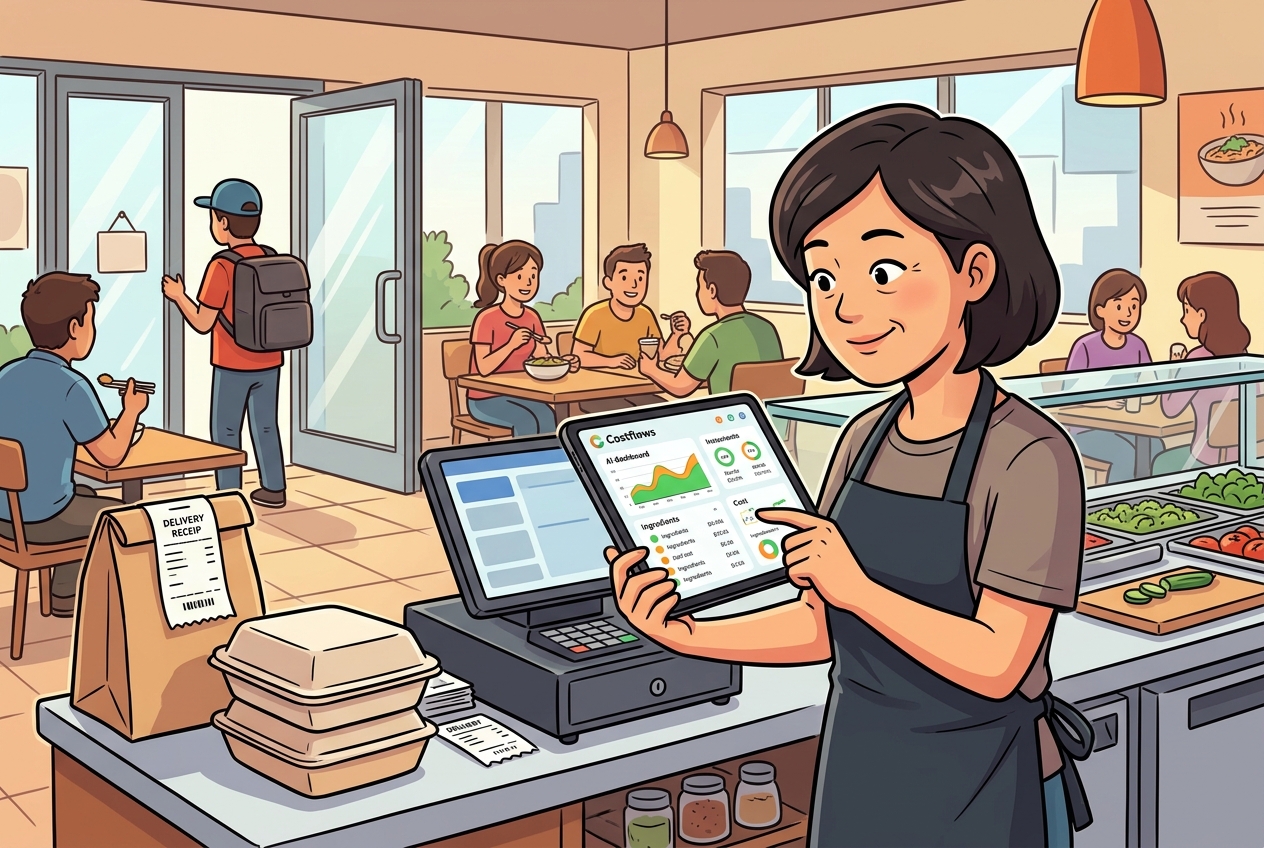
Closing time is usually a chaotic scene: purchase orders scattered on WhatsApp, delivery notes stuffed into folders, invoices waiting to be filed, and inventory counts based on a colleague's best guess. Most restaurants don’t lack data—it’s just scattered everywhere. You only see the full picture at the end of the month when it’s too late to act.
A true restaurant procurement platform isn’t just "another system." Its real job is to turn buying, storage, waste, and reconciliation into a standard daily routine that you can actually manage.
Why Procurement Goes Out of Control
It’s rarely just one problem. One day, tomato prices jump 12%. The next, two different branches are buying the same beef at different prices. By day three, the Central Kitchen's outgoing stock doesn't match what the store received.
On the surface, these look like simple buying issues. In reality, they involve ordering, inventory flow, vendor management, and menu margins. A solid platform links these steps into a single "data chain," finally replacing the messy middleman: the Excel sheet.
Solving the "Friction Points" First
What should a platform fix first?
- Slow and Error-Prone Data Entry: Manually typing in paper receipts and monthly statements is a waste of time and a recipe for typos in price or quantity.
- Information Silos: Procurement knows prices changed, but the kitchen doesn’t. Branches order extra stock, but accounting doesn't see the spike until the month-end.
- Invisible Costs: You see sales, but you can’t see daily price fluctuations or waste.
This is why many owners feel that while business is good, "the profit is getting thinner." It’s not that the books are wrong; it’s that the reports arrive too late to change vendors or adjust menu prices.
Don’t Just Look for an "Ordering" Tool
Many tools can send an order, but restaurant operations are complex. You need a system that handles the "dirty work" of daily operations:
- From Paper to Structured Data: If your staff still has to type in invoice details, you’re just moving paper into a computer. A real solution should use AI to "read" photos, PDFs, or even handwriting, automatically extracting items, units, prices, and dates.
- Connecting the Dots: Procurement data is useless if it stays in a vacuum. You need to know where those goods went, when they were used, and how they affected your gross margin.
- Daily Decision-Making: Reports shouldn't just be for "looking at." They should trigger action. If a supplier’s price is higher than last month, or if a branch's waste is spiking, you need to see it today so you can fix it tomorrow.
The "Excel Wall" and the AI Advantage
Excel works fine until you have multiple stores and dozens of vendors. Then, you end up with too many versions, inconsistent data, and zero control.
A mature platform like Costflows makes data generation a natural part of the workday. The buyer orders via phone, the warehouse scans the arrival, the kitchen logs the waste, and accounting syncs the invoice. Nobody is "doing extra work"—they are just doing their jobs, and the data is a byproduct.
The Real Gap: Vendor Management and True Profit
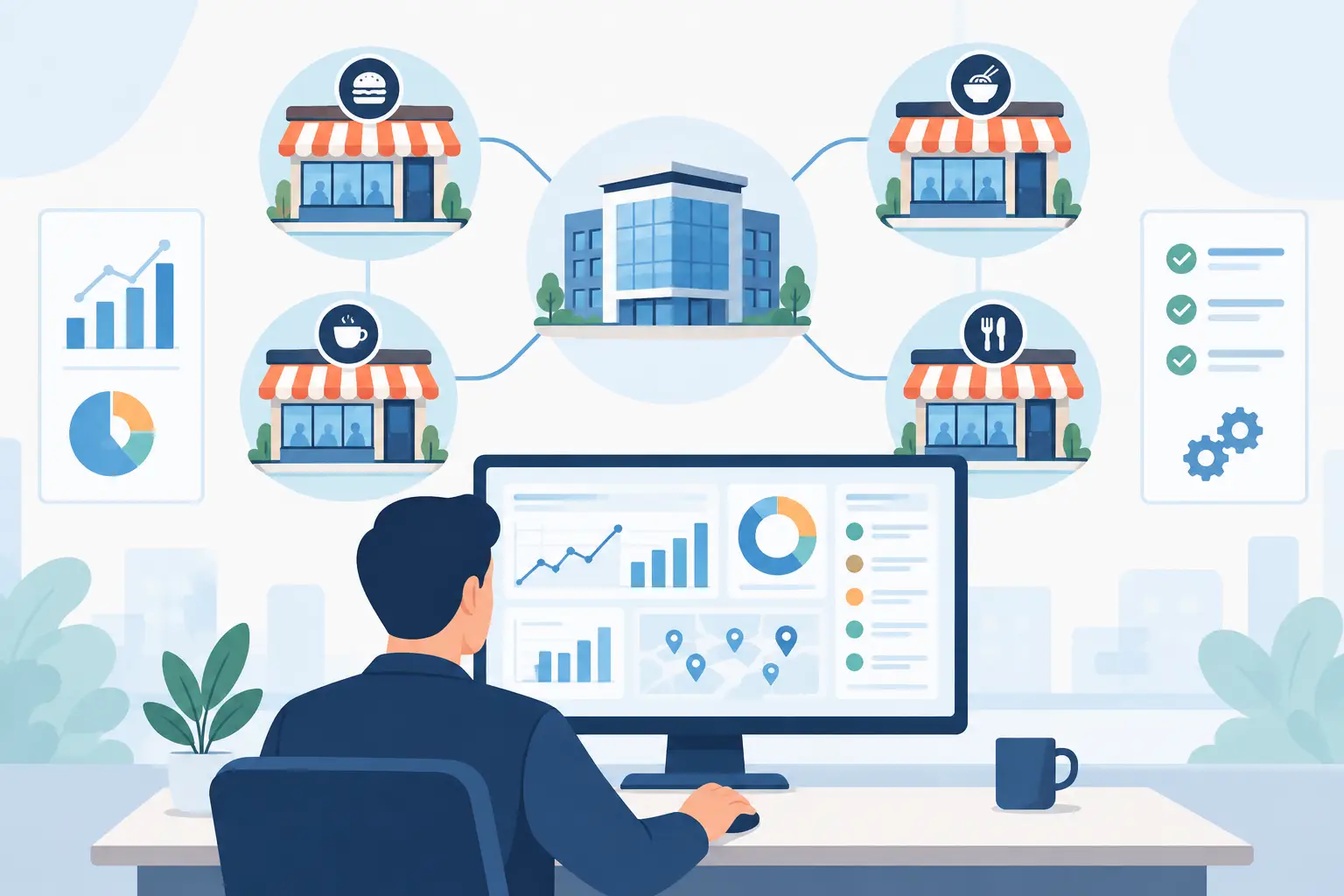
A platform allows you to stop managing by "gut feeling." You’ll know exactly which supplier frequently raises prices, who delivers short, and who is the most reliable. For chains, this is the only way to keep prices consistent across all locations.
Finally, by syncing with your POS and accounting software (like QuickBooks or Xero), you get a daily P&L. When you sell a dish, the system deducts the ingredients based on the recipe. By comparing theoretical stock to actual counts, you can spot theft, waste, or portioning errors instantly.
The Bottom Line
You aren't just buying software; you are buying cost control.
If you are a single shop with five ingredients, you might just need better discipline. But if you have multiple stores, a central kitchen, or a mounting pile of invoices, it’s time for a platform. Systems like Costflows are built for the kitchen's high-pressure reality. We handle the data entry so you can focus on the strategy.
Don't wait for the monthly report to find out you lost money. Fix it today.
.png)

訂閱最新消息
不要錯過任何餐飲的資訊